


WELCOME
For another change of pace, a brief sojourn in Varanasi, India, through the eyes of the New York-based Polish zen film-master Pawel Wojtasik, as he and we lose ourselves in the devotional absorptions of weavers and masseurs and all manner of other daily workers in that most ancient and sacred of cities.
IN THE A-V ROOM
Pawel Wojtasik roves, hushed and spellbound, amongst the everyday workers of Varanasi, India

I first encountered the filmmaker Pawel Wojtasik as a fellow artists’ colony guest around 2018 when he was already a half decade into refining the hundreds of hours of footage he’d amassed across a five-month residency in Varanasi (formerly Benares), India, back in 2012, into the film that would presently settle (across all manner of permutations as to length, content and even title) into his 2019 masterpiece Every Pulse of the Heart is Work. Wojtasik himself presented as an uncannily confounding meld of devout zen master and sly urbane trickster, but the gaze in the footage he’d amassed (and several hours of which he allowed me to experience, peering over his shoulder in the editing bay) was unfailingly steady, hushed, intent, almost prayerful, as were the attentions of the various everyday workers (barbers, tambla drum makers, weavers, boatsmen, dancers, butchers, street dentists, hospital surgeons, riverside funeral pyre builders, cloth dyers, jitney drivers, pilgrims, and their vividly teeming like) over whom that gaze floated. (As such, I was occasionally put in mind of a full-color version of the fallen angel’s aching vantage upon the rummaging humans of Berlin in Wim Wender’s Wings of Desire.)
I don’t know why exactly (maybe it’s just the contrast with the growing frenzy of irreal untethered digital and political immateriality characterizing our own lived experience these dismal days that has me longing once again for the sheer analog substantiality of his piece’s evident devotions) but Pawel’s film has been much in my thoughts these past several months, and I thought it might help steady and anchor some of yours as well.
So herewith, a pair of passages, the first beginning with the mysterious ministrations of a hunched barefoot laborer as he expertly tap-tap-taps something (but what?) into being, one hammered slat at a time, a stack whose purpose only gradually reveals itself as the scene now shifts to an almost equally focused and mesmerizing zone of artisanal activity.
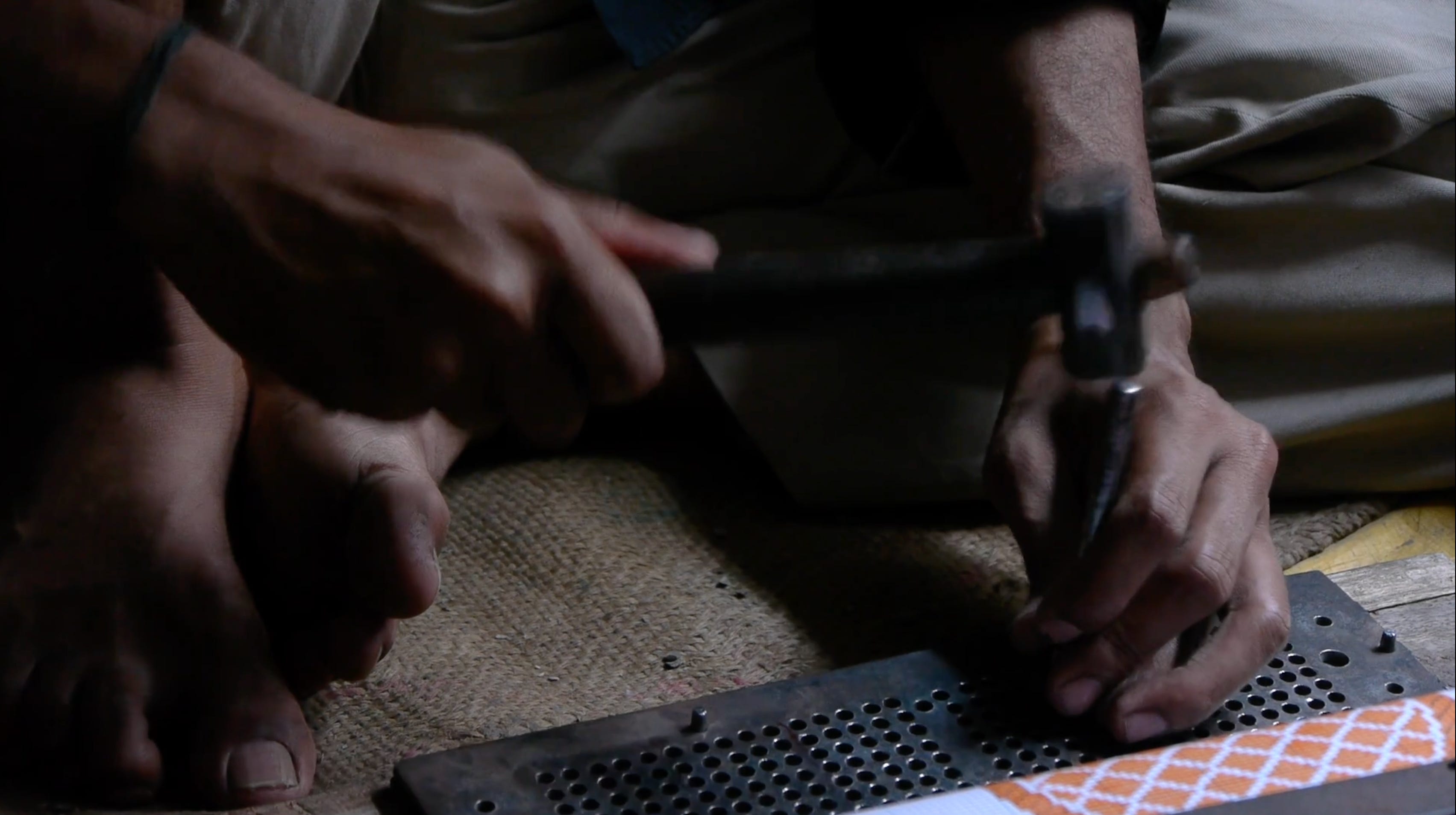
Click HERE.
Interesting to note, of course, that it was the perforated-card (invention of the French merchant Joseph Marie Jacquard, 1752-1834) that, having revolutionized textile loom production in early nineteenth century France and England and then indeed all around the world, presently proved the inspiration for the stacks of punchcards that would power early programmable computing devices during and after the Second World War, the forerunners in turn of our current digital phantasmagoria (everything once solid melting into air).
Which brings us back, by a commodious vicus of recirculation, to a passage several scenes later in Pawel’s film, one which conversely proves about as substantially corporeal as anything can possibly be. Stretch out and make yourselves comfortable!
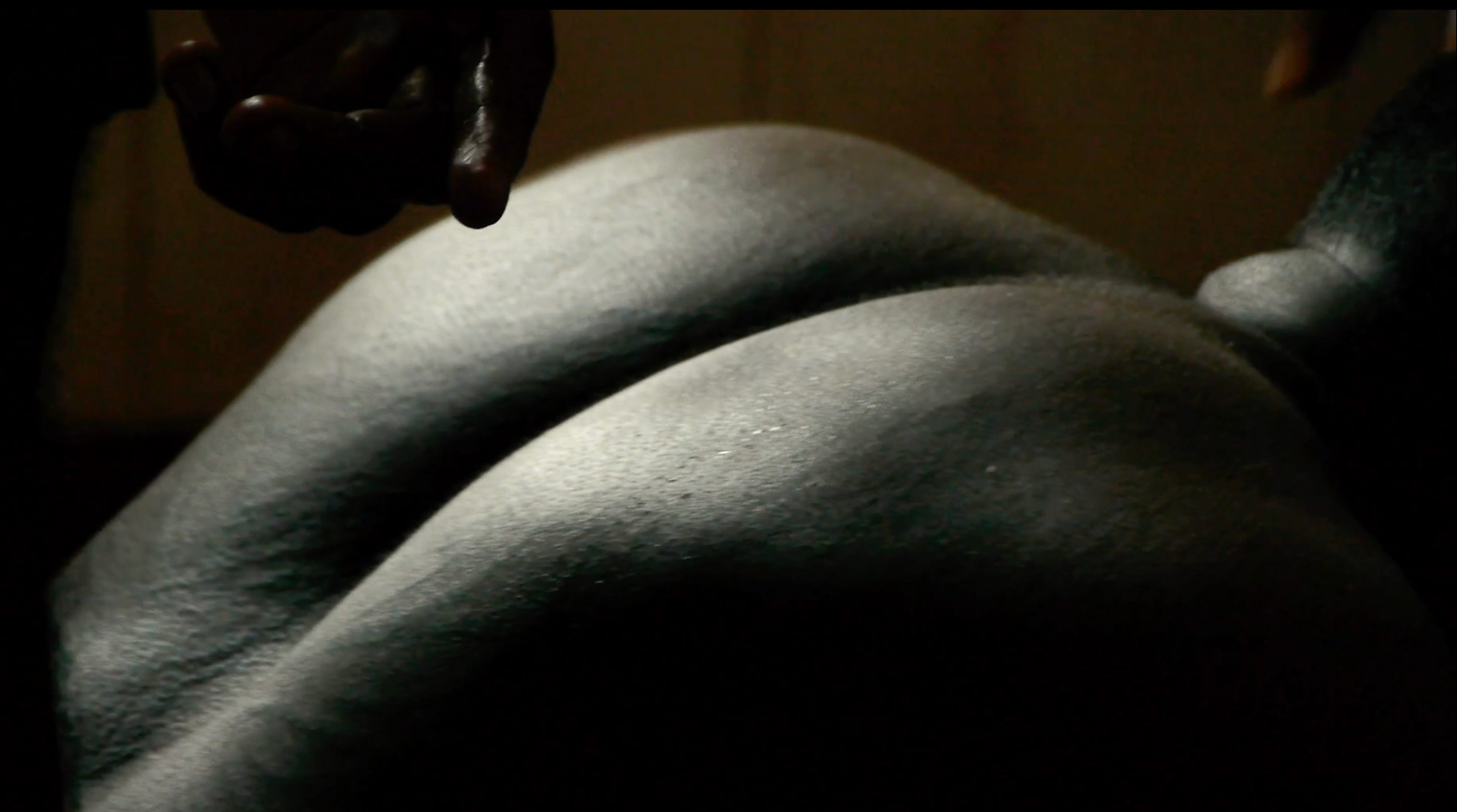
Click HERE.
You get the idea. The film in its entirety is available for either rent or purchase here, and obviously highly recommended. For that matter, a good deal more of Pawel’s wide-ranging oeuvre can be sampled at his dedicated Vimeo feed, here. He and the composer Sebastian Currier are currently completing work on a three-screen piece evoking a passage through the “Four Seasons” along the Hudson River, of which more anon.
* * *
See you next week!
NOTE: If you click “Subscribe now” you’ll be given options — either to receive Wondercabinet for free, or to pay at one of several levels.
So glad to know about this